
1. From Audience Insight to Engagement
Charles River Museum of Industry & Innovation | September 2025 - May 2026
This project focused on improving how the Charles River Museum of Industry & Innovation (CRMII) connects with its audience to drive engagement and long-term support. While the museum offered valuable content and programs, there was no clear and consistent structure to guide different audiences toward meaningful action.
I approached this project by focusing on the user journey from initial awareness to engagement and long-term support while ensuring that each step aligns with audience needs and organizational goals.
To better understand the museum's audience, I segmented users based on their needs, motivations, and how they interact with the organization. Rather than treating all visitors the same, I identified five key audience groups:
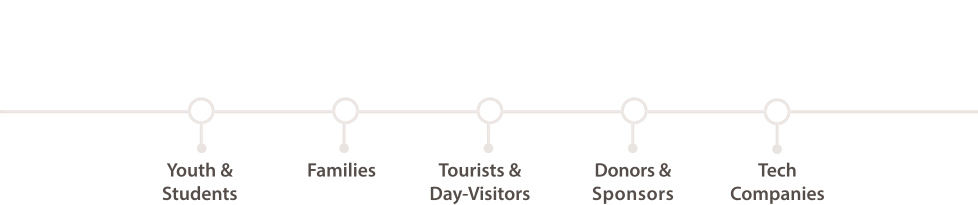

Youth & Students
seeking educational and interactive experiences

Families
looking for engaging and accessible activities

Tourists & Day Visitors
interested in local culture and exploration

Donors & Sponsors
motivated by impact, transparency, and community contribution

Technology Companies
interested in partnerships, innovation, and visibility
Youth & Students seeking educational and interactive experiences
Families looking for engaging and accessible activities
Tourists & Day Visitors interested in local culture and exploration
Donors & Sponsors motivated by impact, transparency, and community contribution
Technology Companies interested in partnerships, innovation, and visibility
Each group engages with the museum in a different way and has different expectations. This made it clear that a single, general message would not effectively support engagement or revenue growth.
While multiple audience groups were identified, the strategy focused on the segments with the highest impact on engagement and long-term support.
Based on these segments, I developed representative personas to guide the strategy and ensure decisions remained audience-focused.
• Amy (Donor)
Focused on impact and trust. She wants to clearly understand how her support contributes to the museum's mission.
• Max (Family / Education Segment)
Represents both families and students. He looks for clear program information, ease of navigation, and meaningful educational value.
• Scott (Technology Partner)
Interested in collaboration and long-term partnerships. He values opportunities to connect with innovation and community initiatives.
To connect audience understanding with action, I structured the experience around a simple user journey:
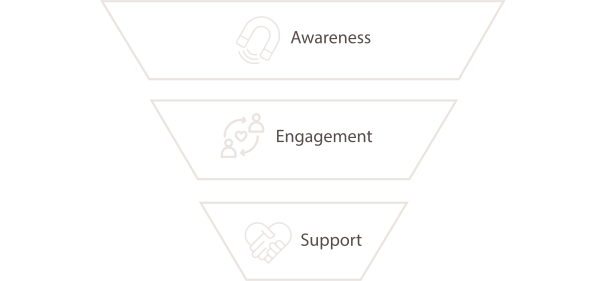
Given the limitations of the existing platform, the project focused on content strategy and structure rather than visual redesign. Instead of changing the interface, I prioritized improving how content is organized and communicated.
I developed a structured marketing foundation that includes clearer messaging, better content hierarchy, and a more intuitive website flow. These improvements help users navigate the site more easily, understand the museum's value, and move naturally toward engagement and action.
This approach created a more cohesive and intentional way for the museum to communicate with its audience. By aligning content with user needs and organizational goals, the project supports stronger engagement and encourages meaningful action whether that means attending events, exploring programs, or supporting the museum.
Over time, this structure builds trust, strengthens relationships, and contributes to sustainable growth and revenue.
The following visuals highlight key parts of the project and how these ideas were translated into content, structure, and user experience.
Before


After
